

Investment guides GUIDE 30
Pilot Trials, FAT and SAT: Planning Production Line Acceptance
Give pilot trials, factory acceptance and site acceptance distinct objectives. Plan product samples, measurements, open items and handover records before testing.
A pilot trial explores the product and proposed process. Factory acceptance testing checks the agreed equipment scope before shipment, while site acceptance examines the installed system under actual site conditions. Passing one stage does not automatically replace another. Define the purpose, method, acceptance criterion, responsible person and record for each test. A useful acceptance process produces traceable observations and closed action items, rather than relying only on a video showing that equipment operates.
An agreement to run a trial is a good beginning, but it is not yet a test plan. Without a shared purpose, configuration and decision criterion, the same visit can mean different things to the buyer, supplier and production team.
The framework below is intended for project discussion. It does not claim that FRUMAK automatically includes every activity in every order; the actual scope must be agreed in the quotation.

1. Separate the questions answered by each stage
A pilot trial helps investigate how the product behaves under a proposed processing approach and collect information for the project. Pilot scale or configuration may differ from the commercial system, and the report should state those differences. A successful small sample does not demonstrate every capacity and site requirement of the eventual line.
FAT means Factory Acceptance Test and concerns pre-shipment acceptance at the manufacturing facility. SAT refers to acceptance after installation at the operating site. Comecer's manufacturer guidance distinguishes these stages, but specialist test lists from another industry should not be copied directly into a food project. Define the scope for the actual equipment and product.
| Stage | Main question | Typical record |
|---|---|---|
| Pilot trial | How does the product behave with this process approach? | Samples, input conditions and trial report |
| Factory acceptance | FAT | Is the agreed equipment ready for shipment? | Scope and functional-check records |
| Site acceptance | SAT | Does the installed system meet the agreed site requirements? | Connection, operating and open-item records |
| Operational handover | Have equipment and information reached the responsible team? | Documents, training and closure checklist |
2. Write acceptance criteria before the test day
Each item should identify what is assessed, how it is measured and what constitutes acceptance. Expressions such as working well or fast enough invite different interpretations. Where capacity, product characteristics or format changeover are evaluated, specify the material, duration and measurement basis.
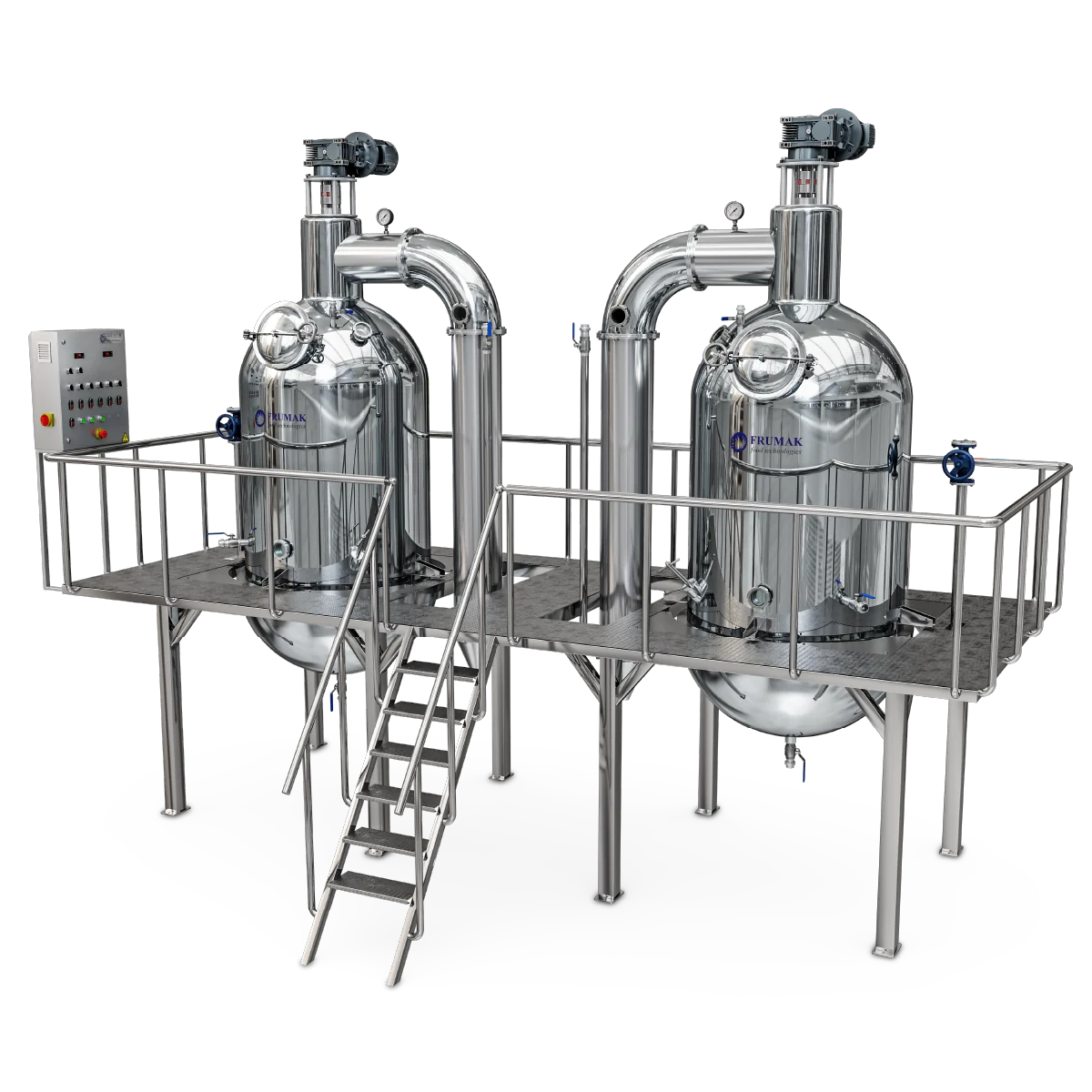
For a filling trial, identify the product, container, quantity and sampling arrangement. A vacuum-cooker evaluation requires a different set of observations around loading, completed cycle and product acceptance. Share the blank report form before the visit so missing methods can be identified while there is time to resolve them.
3. Make samples and test conditions traceable
Record raw-material batch, recipe revision, packaging samples and measurement equipment. If a substitute material is used, state which checks it supports and which conclusions it cannot support. Demonstrating a mechanical sequence and establishing finished-product suitability are different outcomes.
Identify temporary connections or arrangements that differ from the intended installation. Include the date, participants and tested configuration. If a later site result differs, this record helps the team determine which variables have changed. A useful report explains the boundaries of a result, not merely whether the trial was considered successful.
- Which commercial product does the sample represent?
- Have both parties accepted the measurement method?
- Are differences between the trial and delivered system recorded?
4. Give every open item an owner and closure record
Not every observation has the same significance. Distinguish matters affecting operation or acceptance from documentation corrections using a classification agreed by the project team. The effect on the acceptance decision should be clear before the meeting ends.
For each open item, record the issue, owner, target date and method of verification. After a change, attach the repeat-check result rather than marking the task complete without evidence. Consider whether the change affects other functions that need retesting. This prevents a set of successful photographs from concealing unfinished work.
5. Complete site acceptance and operational handover together
Pre-shipment checks do not remove the need to assess installation, connections and the factory's operating conditions. Before site testing, specify which utilities must be ready and which people need to attend. A check that cannot be performed because the site is incomplete should remain unperformed, not be recorded as passed.
Prepare the current drawings, operating and maintenance documents, agreed spare-parts information, test records and training scope for handover. A three-dimensional factory presentation can explain the process, but it is not a substitute for acceptance work on the real equipment. The receiving team should understand what has been delivered and which issues, if any, remain open.
KEY POINTS
Before requesting a quotation
- Give pilot trials, FAT and SAT separate purposes and acceptance criteria.
- Record differences between trial conditions and the intended production system.
- Close open items with ownership, timing and repeat-check evidence.
QUESTIONS AND ANSWERS
Frequently asked questions
Does a successful pilot trial prove full line capacity?+
Not by itself. Scale, configuration and conditions may differ from the commercial system. State the limits of the pilot result and plan the additional checks needed for the required output.
Why carry out SAT after FAT has passed?+
FAT concerns pre-shipment factory conditions. SAT examines the installed system, site connections and actual operating arrangement. Agree which checks are repeated and what the site acceptance scope includes.
What should an acceptance report contain?+
Identify the equipment, configuration, date, participants, product or sample, method, criteria, observations and open items. Give each unresolved item an owner and a defined closure record.
Sources and product information
The following pages document product specifications and equipment scope. Capacity, product suitability and the final supply scope need to be agreed in a project-specific proposal.
- Comecer | Factory and Site Acceptance Testing
- FRUMAK | Filling Machine product and configuration information
Related articles
 26
Investment guides 5 min read
Calculating Production Line Capacity: From Shift Time to Accepted Output
Calculate production line capacity using net shift time, complete batch cycles and bottlenecks. Separate catalogue ratings from finished output with examples.
Cansu Yören 29
Investment guides 6 min read
Choosing a Food Machinery Supplier: An Evidence-Based Checklist
Compare food machinery suppliers through product trials, technical scope, service and handover records. Use a neutral checklist to evaluate equivalent offers.
Cansu Yören02Line planning 5 min read
Choosing a jam and marmalade line starts with the fruit's final form
Compare jam and marmalade lines through fruit form, raw material supply, vacuum cooking, filling compatibility, utilities and realistic product changeovers.
Cansu Yören