

Line planning GUIDE 15
Planning a hummus production line: Tahini supply, product texture and filling
Define a hummus line through chickpea preparation, tahini supply, texture and packaging. Separate the verified product scope from future product ideas.
A hummus production line starts with a clear description of how chickpeas and tahini enter the process. Buying tahini and making it on site create different investment scopes. The intended hummus texture, production schedule and packaging then guide preparation and filling discussions. FRUMAK's official page describes its line specifically for hummus and states that it is not suitable for other meze products. Additional products therefore require separate technical assessment rather than an assumed extension of the existing scope.
A hummus project is sometimes considered the first stage of a larger prepared-food investment. It is important to separate today's defined product from future ideas. A broader commercial ambition should not silently become an equipment suitability claim.
FRUMAK describes hummus as a chickpea and tahini product. It also identifies a tahini line as a separate consideration for manufacturers wishing to produce their own tahini. This provides a practical starting point for defining project boundaries.

Define chickpea and tahini inlet conditions separately
The purchase scope depends on the preparation state of the chickpeas entering the process. Their condition when bought may differ from their condition at the equipment inlet. List the intervening duties and identify whether existing facilities or new equipment will perform them.
Apply the same approach to tahini. Purchased tahini requires a defined receiving and batch arrangement. In-house production introduces a sesame processing scope. Compare these as distinct alternatives so that additional duties are not discovered only during installation.
Treat in-house tahini as an investment decision, not an accessory
Producing tahini involves more than placing one additional machine beside the hummus equipment. Sesame reception, the relevant processing stages, transfer, floor space and staffing need consideration. FRUMAK's sesame, tahini and halva line provides a starting reference for that separate product family.
With purchased tahini, attention shifts to the supplied product specification, receiving records and continuity between batches. Neither alternative should be declared cheaper or better without operating information. The assessment should reflect the manufacturer's actual programme and resources.
| Topic | Purchased tahini | In-house tahini production |
|---|---|---|
| Project inlet | Specification for received tahini | Separate sesame-to-tahini process scope |
| Space | Receiving, holding and transfer arrangement | Processing, support areas and transfer arrangement |
| Production records | Supplier batch linked to hummus batch | Sesame, tahini and hummus batch links |
| Quotation comparison | Hummus equipment and connections | Both lines and their connecting duties |
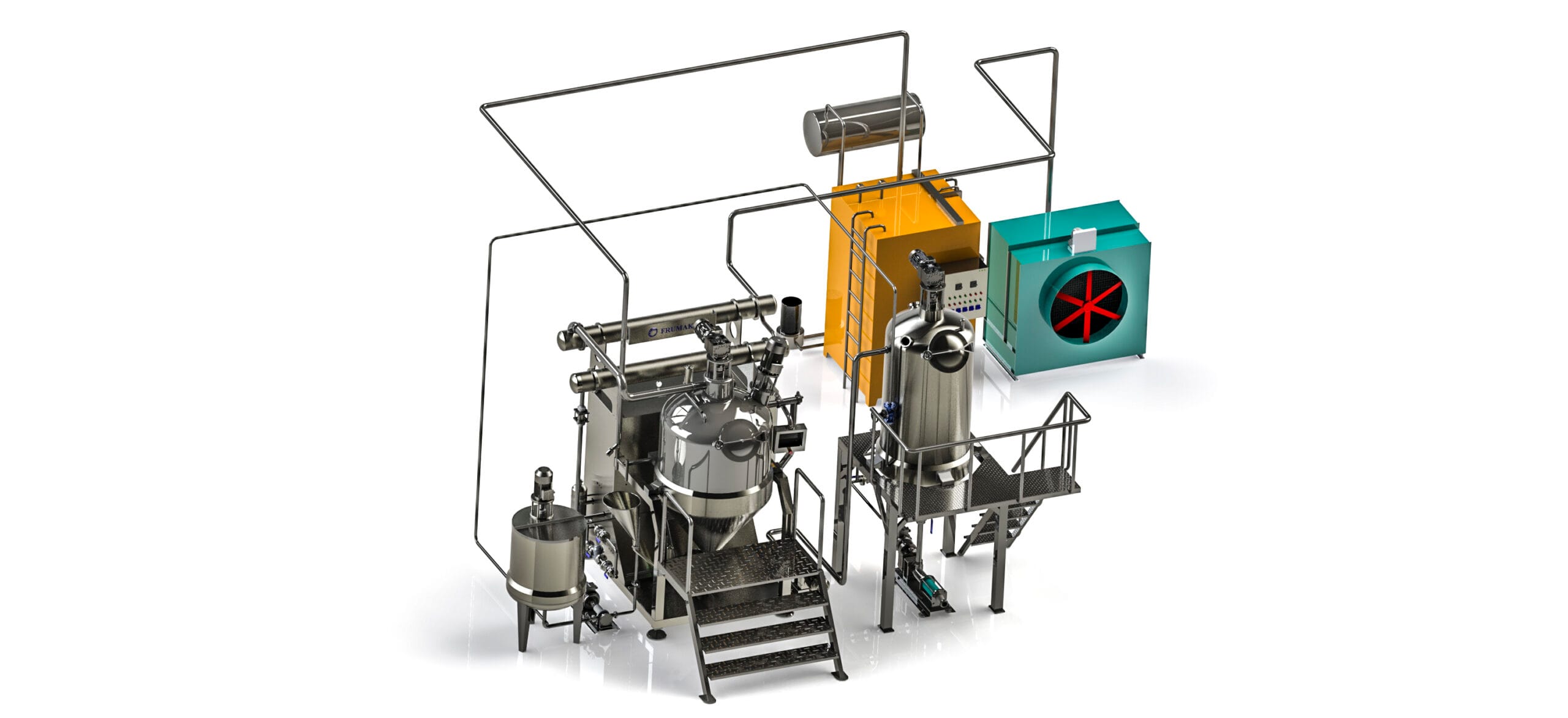
Connect target texture to the product development file
A finished reference sample can explain the intended hummus more clearly than a long list of descriptive adjectives. Record the conditions under which that sample is assessed. Discuss preparation, mixing and transfer duties against the target rather than against the product name alone.
For example, one recipe may be filled into two package formats during a day. The trial can examine the prepared product and observations at different points in filling. Define where samples will be taken and which characteristics will be compared before the trial starts.
- Keep the recipe version and reference product in the same trial file.
- Distinguish post-preparation observations from pre-filling observations.
- Write down the measurement or assessment used for acceptance.
Evaluate the filler with the real package family
Provide actual containers, their closure arrangement and intended filling quantities early in the enquiry. FRUMAK's filling and closing descriptions indicate selection according to product and package. Do not assume that every container is compatible with an existing solution without assessment.
Build an example production day that includes a move from a small format to a larger one. Place preparation, transfer, filling and cleaning duties within that schedule. This makes the required workflow visible instead of basing the decision on one machine's headline speed.
Preserve the distinction between a hummus line and a general meze line
FRUMAK explicitly states that its described line produces hummus and is not suitable for other meze products. A manufacturer considering another product should therefore raise a new technical assessment. Similar appearance does not establish common preparation or filling requirements.
The acceptance file should cover the actual purchased product: ingredient inlet conditions, target sample, batch programme, packages and connection responsibilities. Product safety and shelf-life requirements belong to the manufacturer's relevant validation work. A machine producing material does not automatically complete those separate obligations.
KEY POINTS
Before requesting a quotation
- Compare purchased and in-house tahini as separate investment scenarios.
- Respect the current hummus-only scope of the described line.
- Include the product sample and actual package in acceptance planning.
QUESTIONS AND ANSWERS
Frequently asked questions
Can FRUMAK's described hummus line make other meze products?+
Its current official description states that it is only for hummus and not suitable for other meze products. Any additional product needs a separate suitability assessment.
Must a hummus manufacturer also buy a tahini line?+
Tahini can be purchased or produced through a separate process. FRUMAK identifies a tahini line as an additional consideration for manufacturers who want to make their own.
Why are product and package trials useful?+
The product name alone cannot establish texture, transfer behaviour or filling suitability. Actual samples and packages allow these questions to be assessed against agreed acceptance criteria.
Sources and product information
The following pages document product specifications and equipment scope. Capacity, product suitability and the final supply scope need to be agreed in a project-specific proposal.
- FRUMAK | Hummus Production Line
- FRUMAK | Sesame, Tahini and Halva Production Line
- FRUMAK | Filling Machine
- FRUMAK | Capping Machine
Related articles
 07
Line planning 5 min read
Choosing a honey line around incoming product and packaging
Evaluate honey processing through incoming material, filtration, controlled heating, filling and closure compatibility, with product-based acceptance questions.
Fatih Selvi 19
Line planning 5 min read
Planning a cosmetic process line: From visual concept to verified scope
Plan a cosmetic process line through formulation, contact materials, cleaning and packaging. Distinguish a visual concept from verified suitability.
Fatih Selvi 20
Line planning 5 min read
Food filling and capping lines: Assess the product and package together
Compare food filling and capping options through product behaviour, particles, package formats and changeovers. Establish a clear purchase and trial scope.
Cansu Yören